School Safety TrainingPreparing school staff and pupils to respond to emergencies

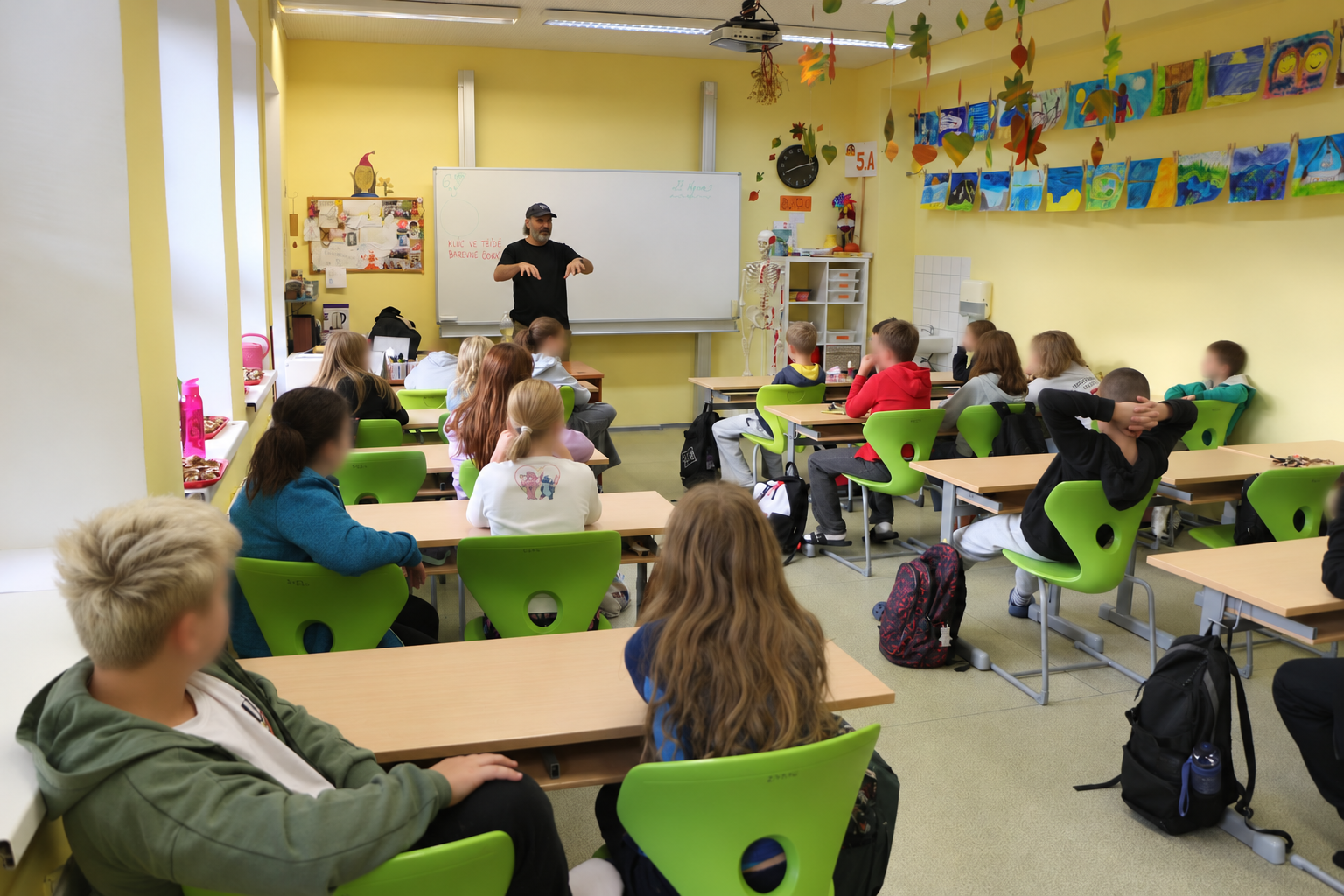
Instructor leading a session in a classroom; pupils’ faces are blurred

The programme consists of two consecutive parts: preparation for school staff and practical training for individual classes. All courses are also available in English for international schools.

  1. The introductory two-hour course is for the entire teaching staff. It focuses on responding to emergencies and crises at school, including an armed attacker with a firearm or knife, incidents involving a person under the influence of drugs or alcohol, and escalating conflicts with parents.

  2. The staff briefing is followed by practical training for individual classes. During this part, pupils learn age-appropriate principles for responding to emergencies and practise the procedures with instructors. They learn how to respond, when and how to leave an area of danger safely, and what to do when leaving or evacuating a classroom.

  3. We also offer additional courses.

  4. The programme also includes a final evaluation of the exercise and the safety of the school premises, including recommendations for any technical measures. The school receives all findings and recommendations together in one email after the course.

The first moments can make all the difference to classroom safety.

Selected active-shooter incidents at schools in the United States in 2024 lasted an average of 3 minutes and 18 seconds, according to the FBI report.

In a crisis, teachers need to know how to respond actively in the first moments of an attack and guide their pupils. Shared preparation helps staff learn the procedures and prepare to use them in practice.

Timely information improves safety

Uncertainty during a crisis increases acute stress and makes decision-making more difficult. A system for sharing information promptly enables a faster response and also helps limit the psychological impact afterwards.

Nickolas M. Jones, Rebecca R. Thompson, Christine Dunkel Schetter and Roxane Cohen Silver, “Distress and rumor exposure on social media during a campus lockdown,” Proceedings of the National Academy of Sciences 114, no. 44 (2017), pp. 11663–11668. PubMed

Preparation for school staff

Staff receive clear, practical, step-by-step guidance for classrooms, corridors and other parts of the school. They learn how to respond during an emergency, guide pupils and help keep them safe.

The course also covers prevention. It explores stages of escalation, warning signs and practical ways to de-escalate interactions with a person in an agitated state.

A separate part covers possible signs of radicalisation and how to recognise and assess them in context.

The course also covers communication during an emergency, including coordinating pupils, sharing information with colleagues, and communicating with parents and emergency services.

The programme also includes specialist content that is not intended to be taught directly to pupils. This separation is deliberate and helps reduce the risk of imitative violence, sometimes called the copycat effect.

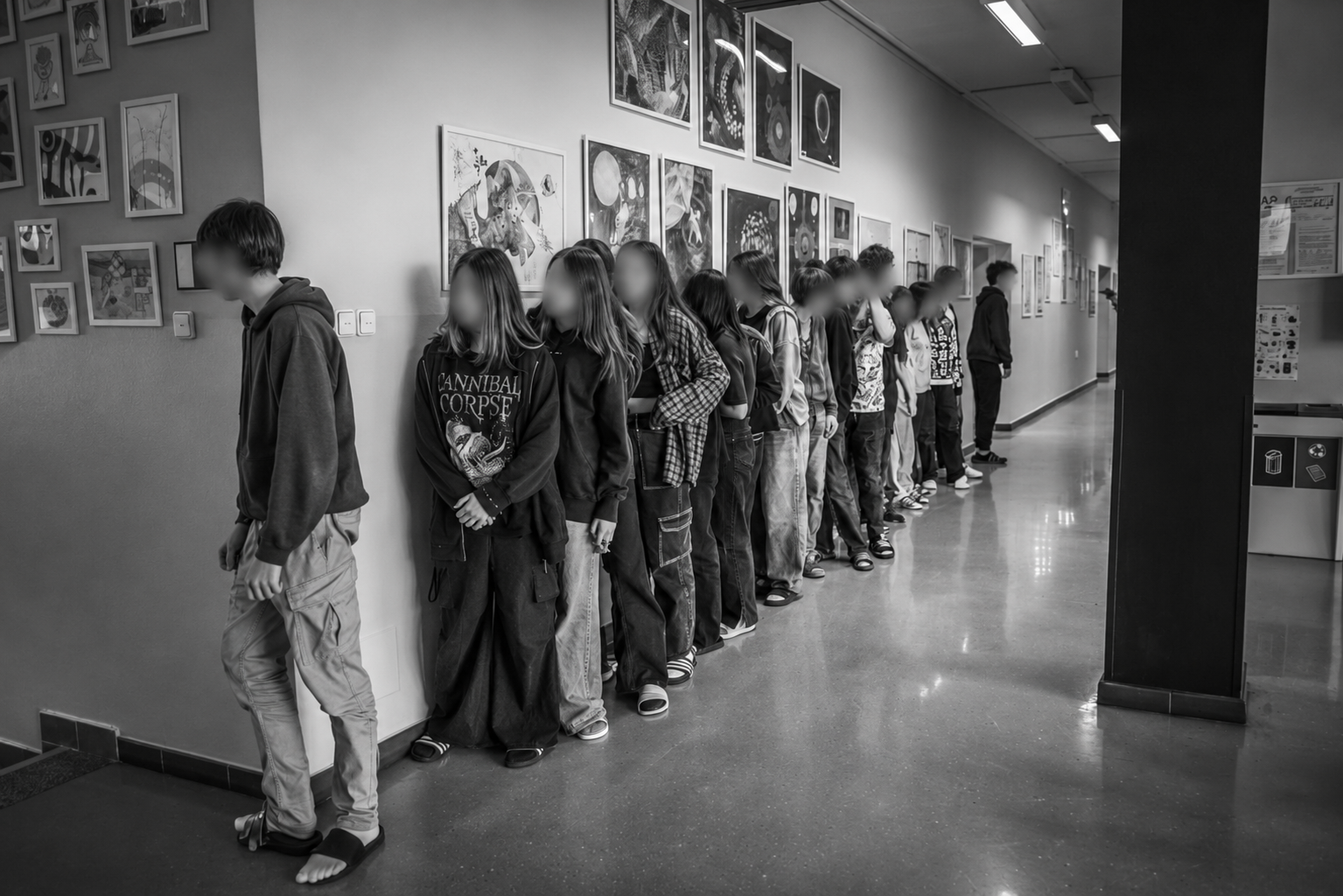
Black-and-white photograph of a school exercise; participants’ faces are blurred

What teachers will learn

  1. 01
    A practical step-by-step response

    A clear overview of what to do in the event of an attack at school.

  2. 02
    Recognising warning signs early

    The ability to notice concerning changes in behaviour and assess them in context.

  3. 03
    Prevention and de-escalation

    Practical ways to prevent situations from escalating and respond to an agitated person.

  4. 04
    A clear role for each teacher

    How to guide pupils effectively in a crisis and follow safety principles.

Practical training for individual classes

Teachers take part in the practical session together with their class and practise procedures for an emergency.

The format is adapted to the pupils’ age. They practise appropriate behaviour, how to respond to an incident, and procedures for leaving or evacuating the classroom.

About 45 minutesOne classTeacher and pupils
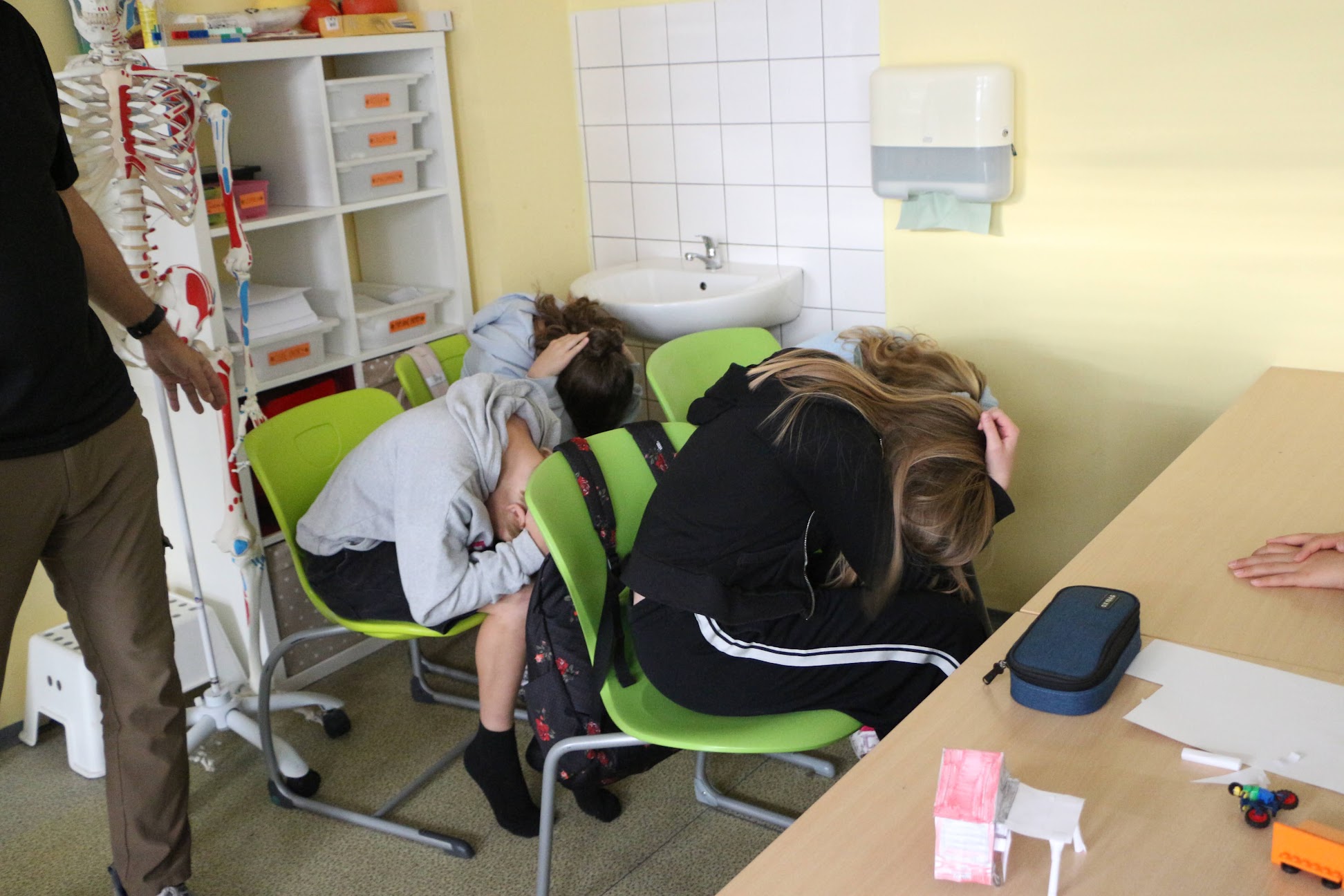
Pupils taking part in a classroom safety exercise
Photographs are from courses already delivered. Faces have been blurred to protect participants’ identities.
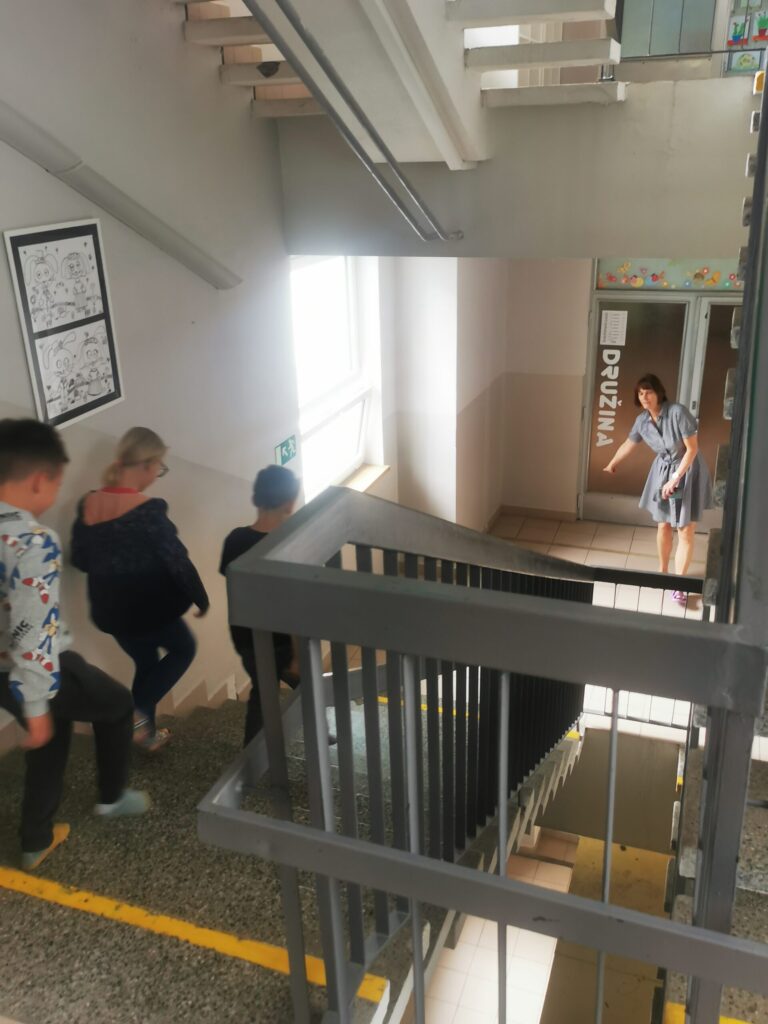
Practical course session in a school corridor

Testimonials

Translated from Czech.

Comprehensive safety training for school staff to prepare for emergencies

The Czech Ministry of Education’s methodological guidance, Minimum Safety Standard for Regional Education emphasises the importance of regular theoretical and practical training for school staff. It recommends at least three hours of specialised theoretical training, or four 45-minute teaching periods when delivered as part of continuing professional development for teachers (DVPP).

Our three specialist courses build on the staff briefing and practical class training, adding further skills. The de-escalation course and spray practice last two hours each; reception and site staff training lasts one hour.

The full programme includes up to 8 lesson-hours of comprehensive preparation:
  • Introductory staff briefing – 2 hours
  • Practical class exercise – 1 hour
  • Spray practice – 2 hours
  • De-escalation course – 2 hours
  • Training for reception and site staff – 1 hour

Selected incidents in the Czech Republic

Attacks with bladed weapons in schools

A knife or machete attack at school is not merely hypothetical. Several serious incidents in the Czech Republic have involved pupils and school staff. The examples below show how quickly health and lives can be put at risk in a school setting.

YearLocationIncidentSource
2012Grammar School in RakovníkA 14-year-old student stabbed a mathematics teacher.Article ↗
2014Secondary School in Žďár nad SázavouA woman attacked students with a knife. A 16-year-old student died and others were injured.Article ↗
2018Dalovice Primary SchoolAn 11-year-old pupil stabbed a classmate in the back.Aha.cz ↗
2021Příbram Primary SchoolA 12-year-old pupil attacked a classmate with a knife.Article ↗
2021Sedlčany Primary SchoolA 14-year-old pupil attacked two classmates with a knife.Article ↗
2022Ohradní Vocational School, PragueA student attacked a teacher with a machete; the teacher died.ČT24 ↗
2024Komenský Primary School, DomažliceA 13-year-old pupil attacked two classmates with a knife.Article ↗

Interim police figures · June 2025

From the beginning of 2025 through June, police investigated 194 safety incidents at schools. 107 cases were classified as crimes and 11 as misdemeanours.

Verbal attacks and threats of violence made up most of the incidents.

  1. Serious threats and intimidation.
  2. Use of bladed weapons, such as knives.
  3. Threats involving a firearm—for example, a January case in which a 13-year-old pupil threatened a teacher in South Bohemia.
  4. Other conduct classified by police as crimes or misdemeanours.
Source: České noviny (ČTK) ↗

Annual overview of school incidents · 2025

The Ministry of the Interior reports 269 school incidents for 2025. A bladed weapon was recorded in 16 of them.

The overview also lists 10 incidents involving a firearm, 2 involving a replica weapon, 33 involving a verbal threat, and 208 with no weapon.

Source: Ministry of the Interior · March 2026 ↗

Frequently asked questions

What equipment is needed?

The course can be held in a standard classroom. No projector or other technical equipment is needed.

How many staff members can attend one course?

Approximately 40 staff members can take part in one course.

How many classes can you train in one day?

We can teach for up to four consecutive hours, which allows us to train up to four classes in a row.

Could the course frighten pupils or cause unnecessary concern?

We deliver the course sensitively, taking pupils’ age and emotional maturity into account. We do not use simulated gunfire or other elements that could cause unnecessary stress. We adapt the content and delivery to the age group so pupils can gain the relevant knowledge and skills in an appropriate, clear way.

Interested in school safety training? Get in touch to discuss a programme tailored to your school and arrange a suitable date.